One Piece / Artist archive
Ono Tako
Explore 15 exact printings credited in the catalogue. Follow a character, choose an edition, or start a collection around the artist.
Build your artist collection ↗The complete printing gallery.
Artwork grouping has not yet been reviewed for this artist. Each tile is an exact physical printing.
9 printings · English
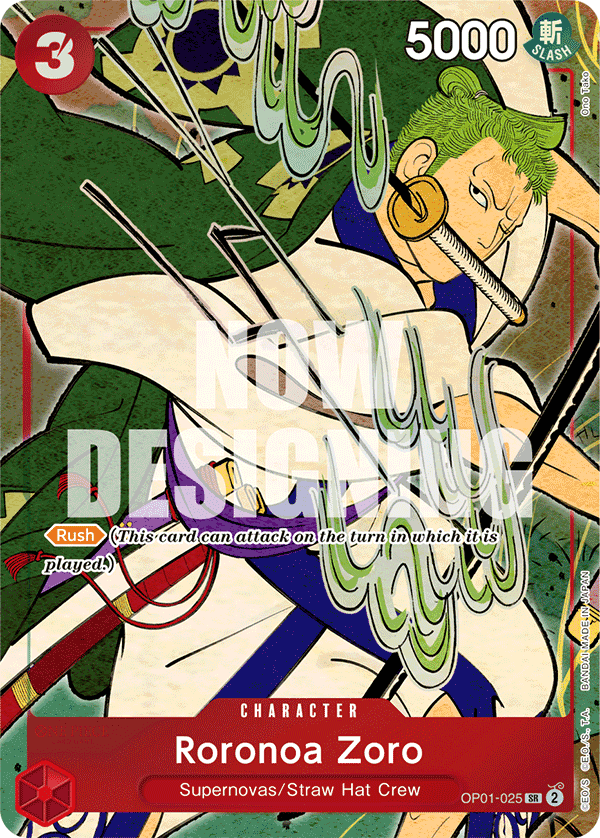
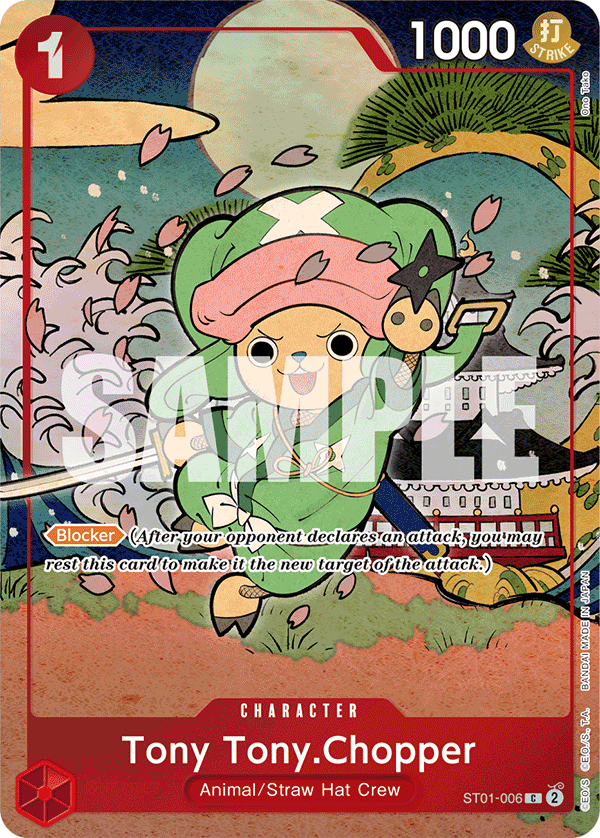
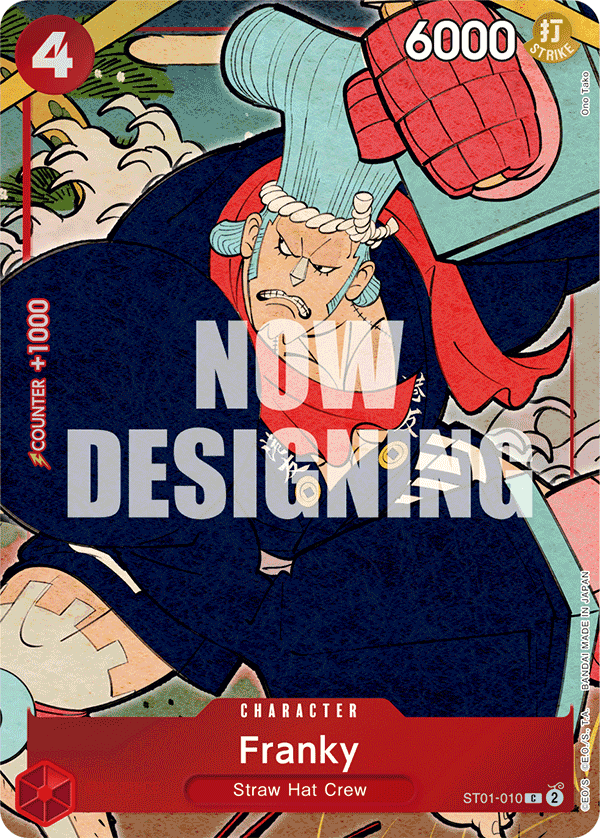
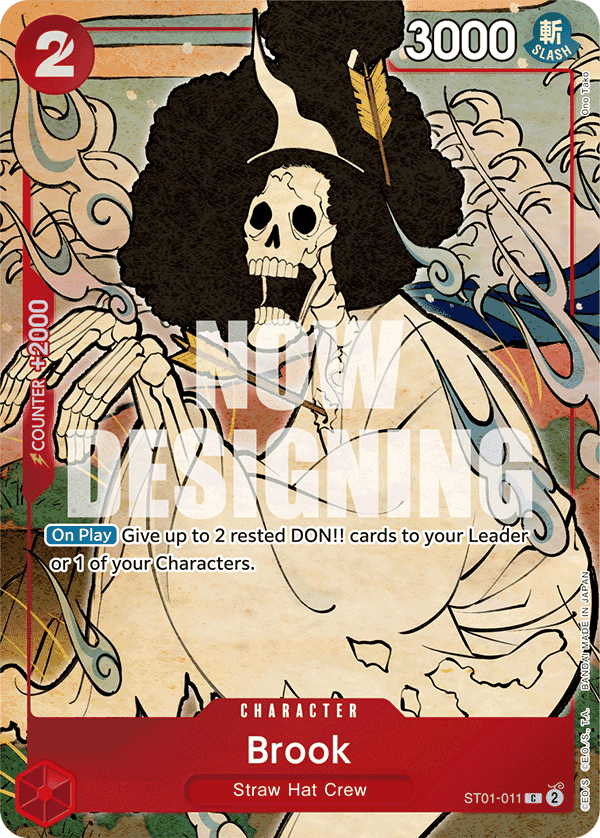
Recovered catalogue style notes
Legacy editorial research; original sources and methodology have not been recovered. These notes are not artist statements or verified biography.
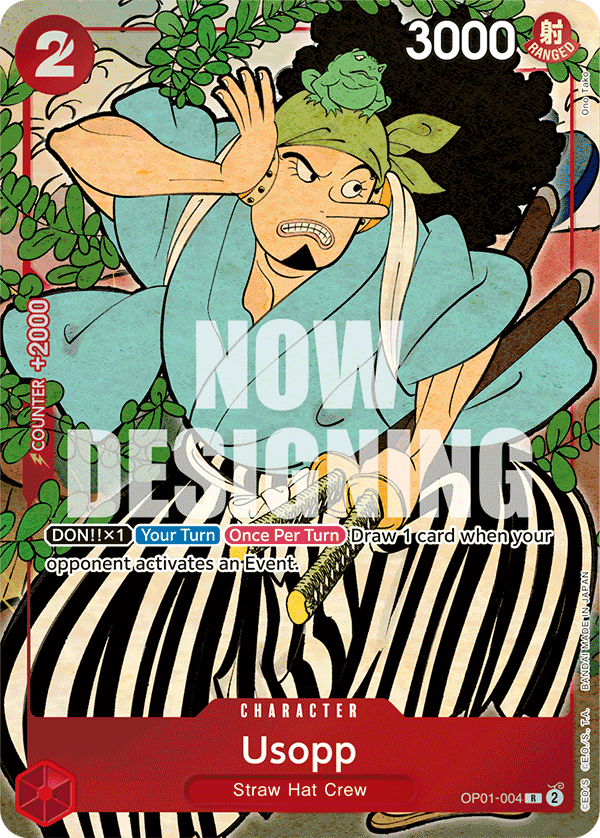
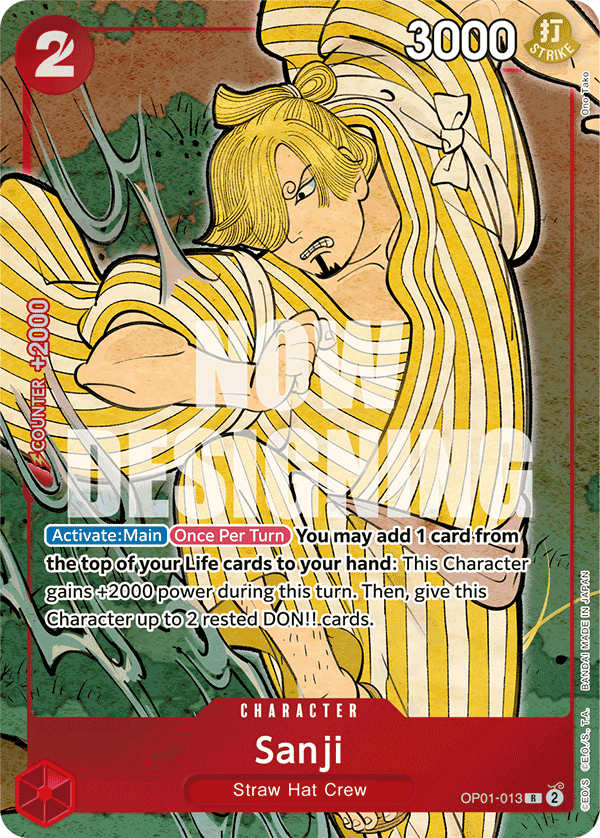
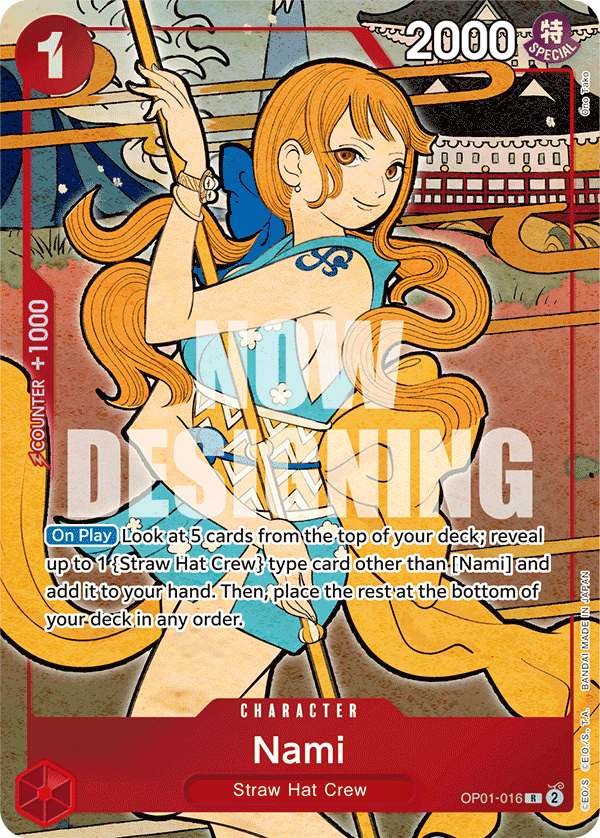
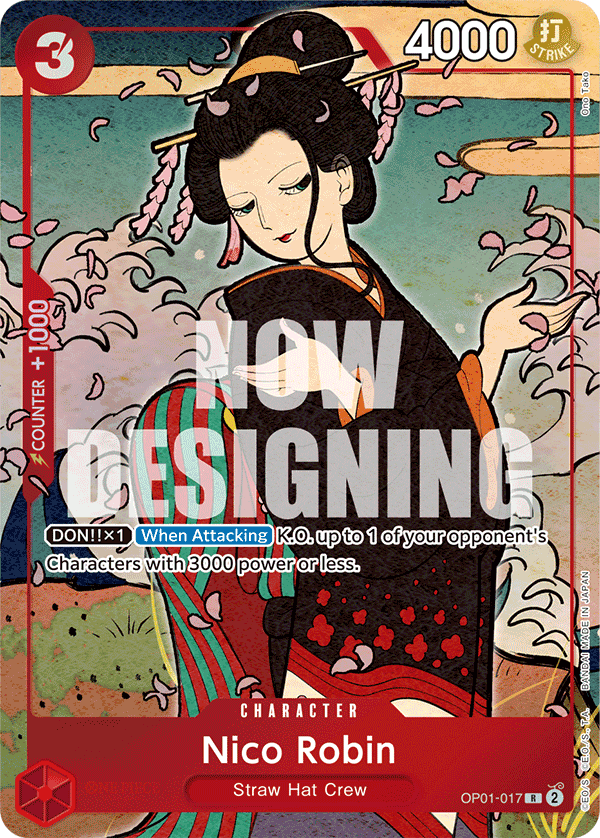
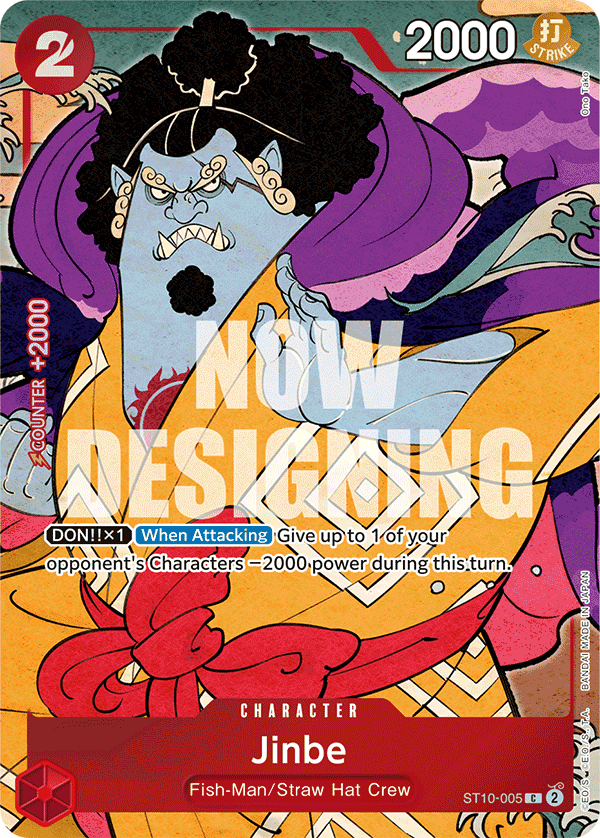
Ono Tako brings an unmistakable classical Japanese ukiyo-e aesthetic to the One Piece Card Game, standing out as one of the most stylistically audacious contributors to the Wano Country Arc sets. Rather than following standard modern anime cel-shading, Ono Tako channels the visual language of Edo-period woodblock printmasters like Utagawa Kuniyoshi and Tsukioka Yoshitoshi. Characters are rendered with expressive calligraphic line work that varies sharply in weight, mimicking the deliberate strokes of sumi ink brushes and carving chisels. Figures strike dramatic, theatrical poses reminiscent of kabuki mie stances, lending characters like Zoro and Kin'emon an aura of mythic grandeur. The color palette is equally distinct, dominated by traditional mineral pigments and aged tones rather than saturated digital hues. Ono Tako frequently utilizes deep prussian blues, vermilion reds, ochres, and muted sage greens, all laid over warm, textured parchment backgrounds that evoke vintage washi paper. Traditional Japanese decorative elements—such as stylized curling crests of waves, drifting cloud bands (kigumo), and ornate floral patterns—are intricately woven into the framing to anchor the characters firmly in feudal aesthetics. Ultimately, Ono Tako's cards are instantly identifiable across the entire One Piece TCG library because they transform popular shonen icons into historical legends. By stripping away glossy digital effects in favor of flat perspective, rhythmic patterning, and woodcut texturing, their illustrations look like genuine museum relics discovered from Wano's past, creating some of the most sought-after and visually cohesive parallel arts in the game.